Wild Heart Coffins
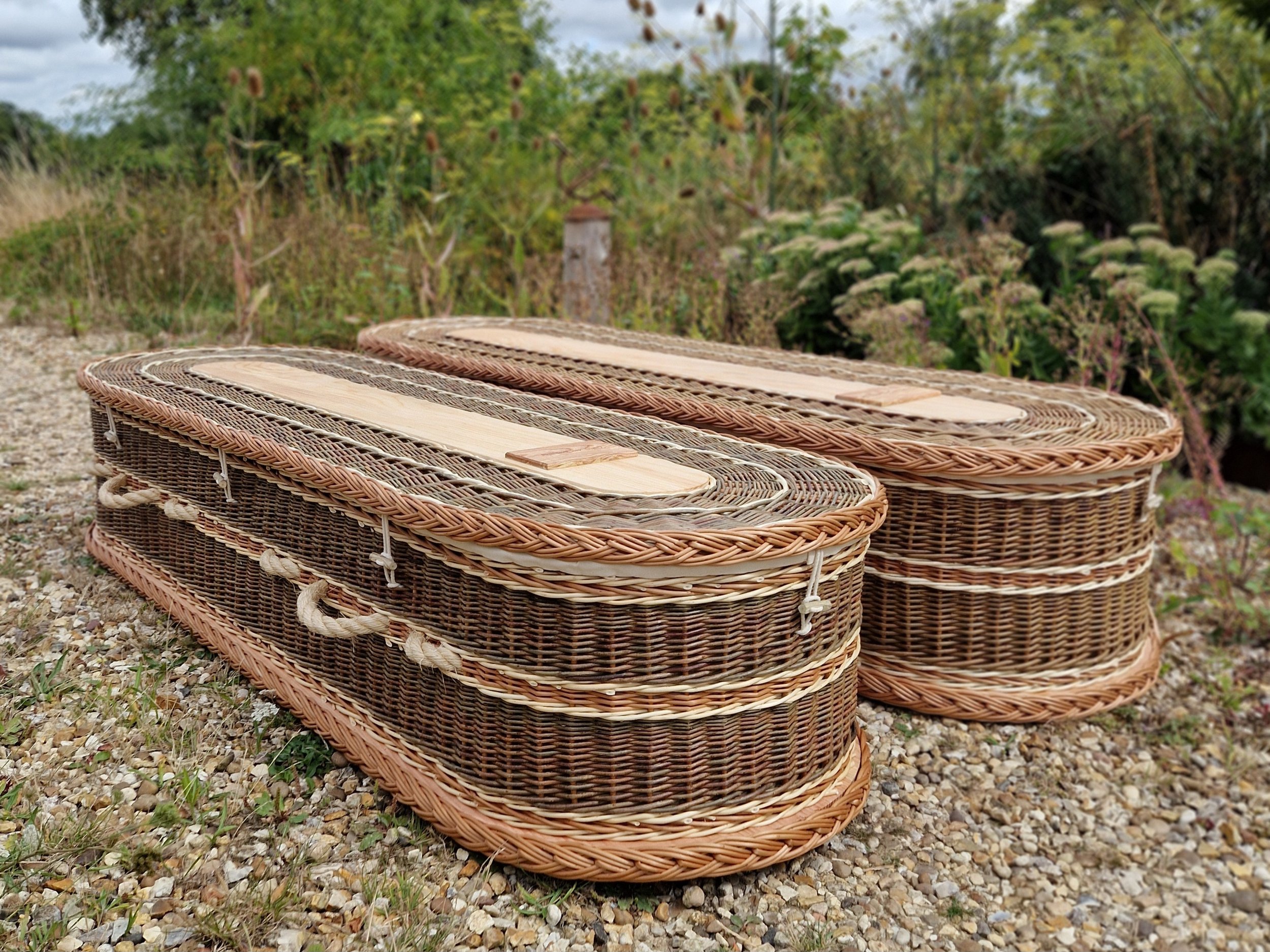
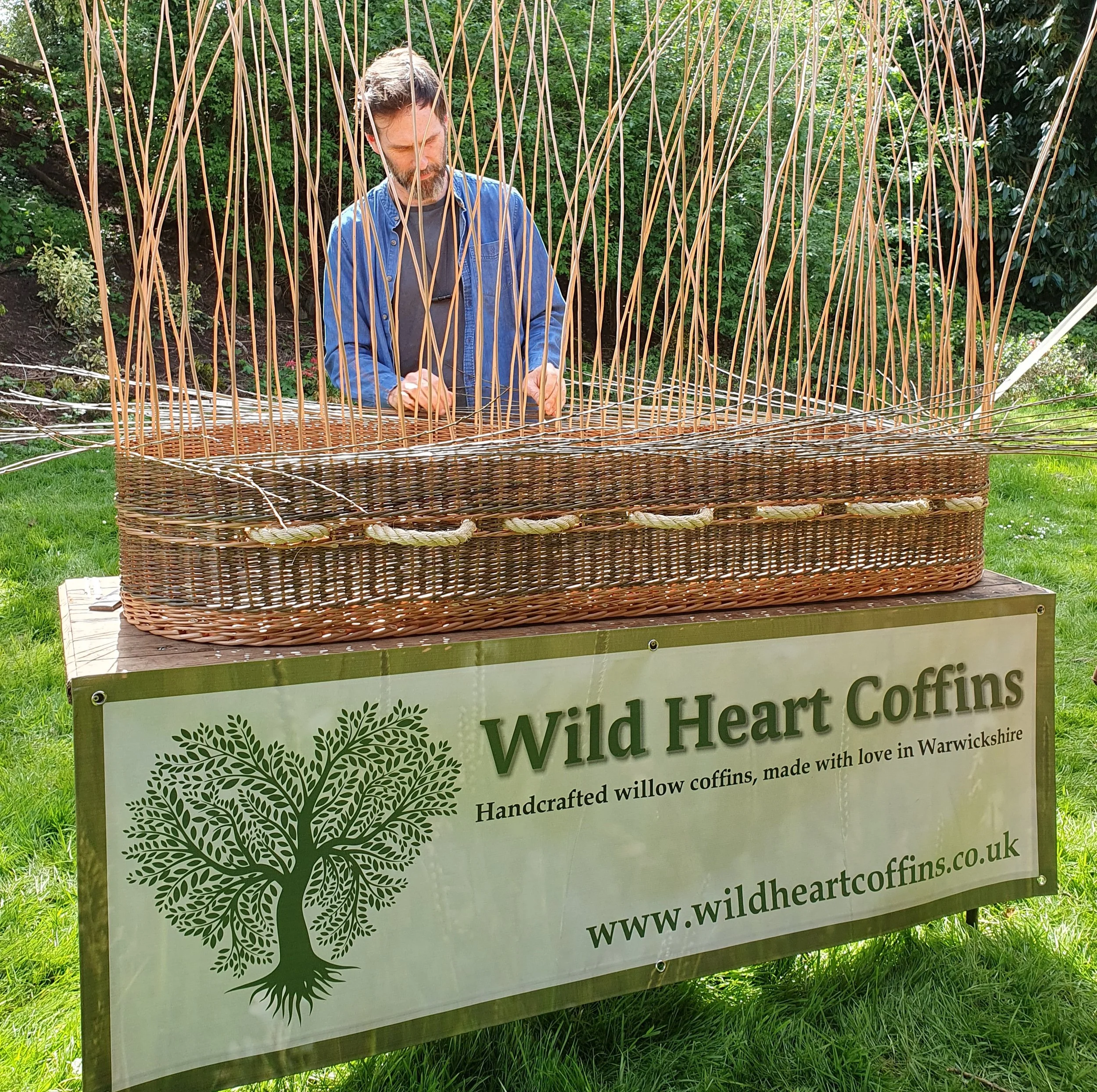
Handcrafted willow coffins made on the farm
Wild Heart Coffins has been going since 2020, after Caz helped to weave her aunt-in-law, Rosie’s, coffin. This deeply personal experience changed and shaped how Caz saw death, dying, funerals and what it means to feel more connected to these processes.
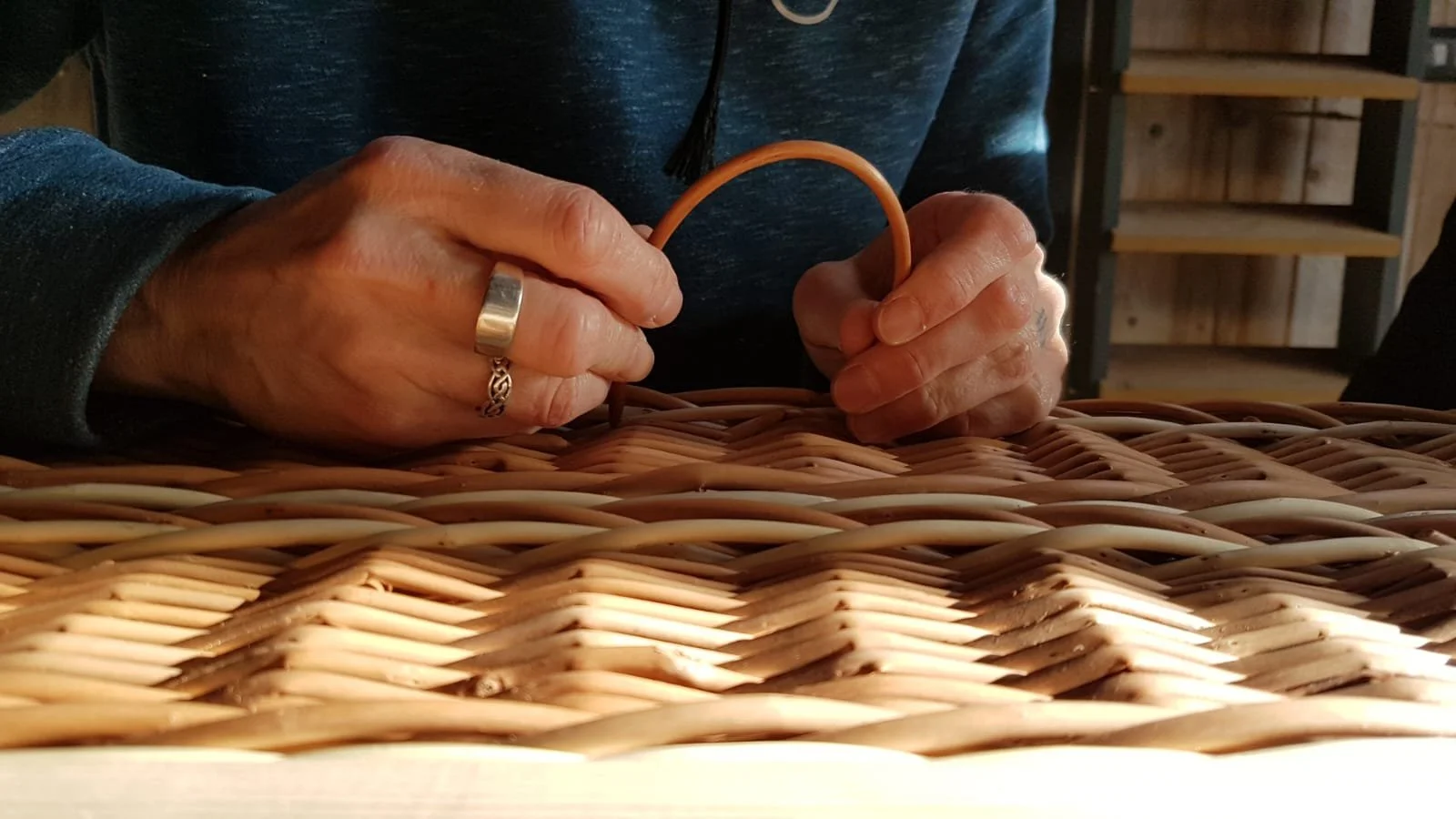
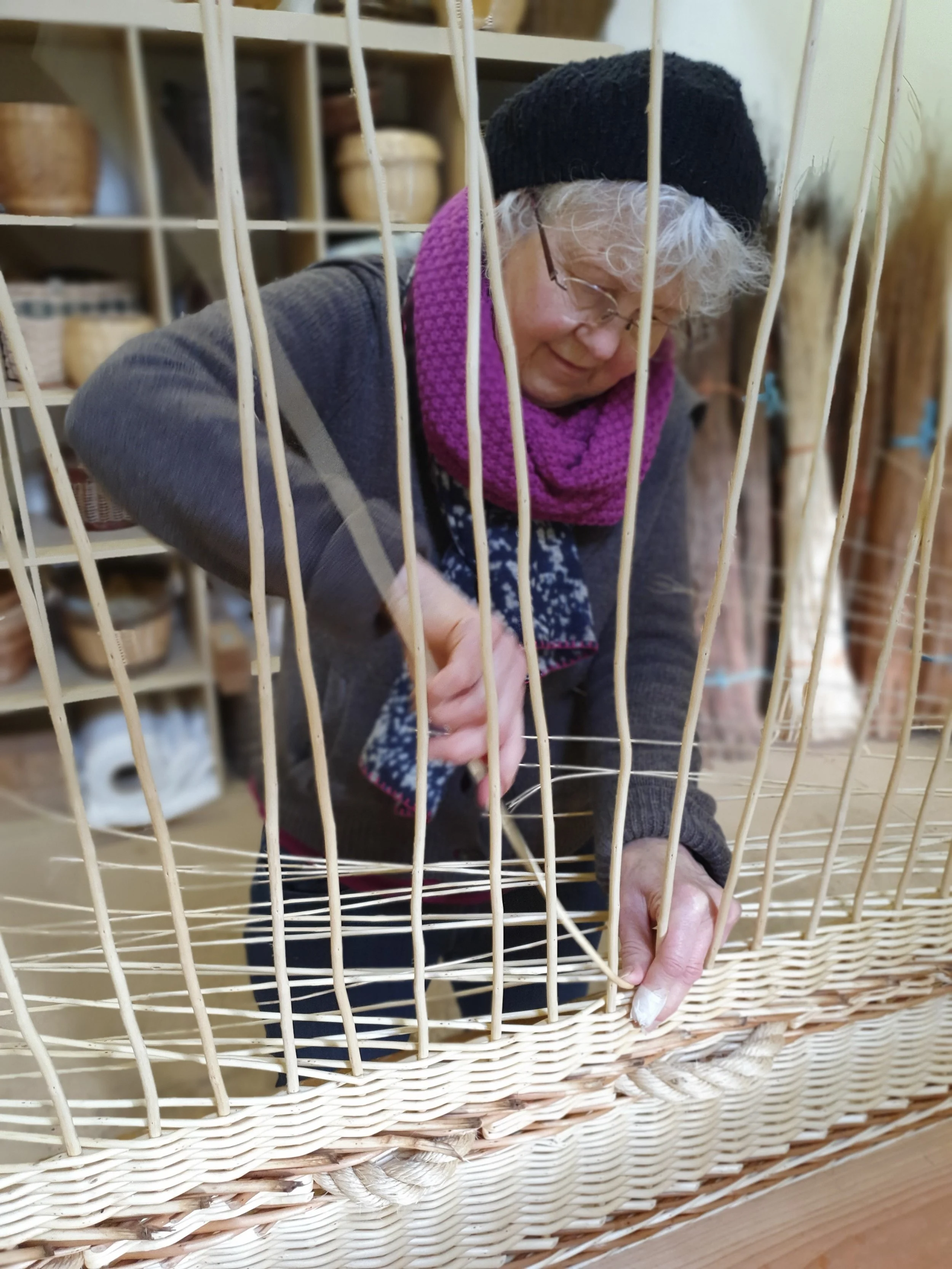
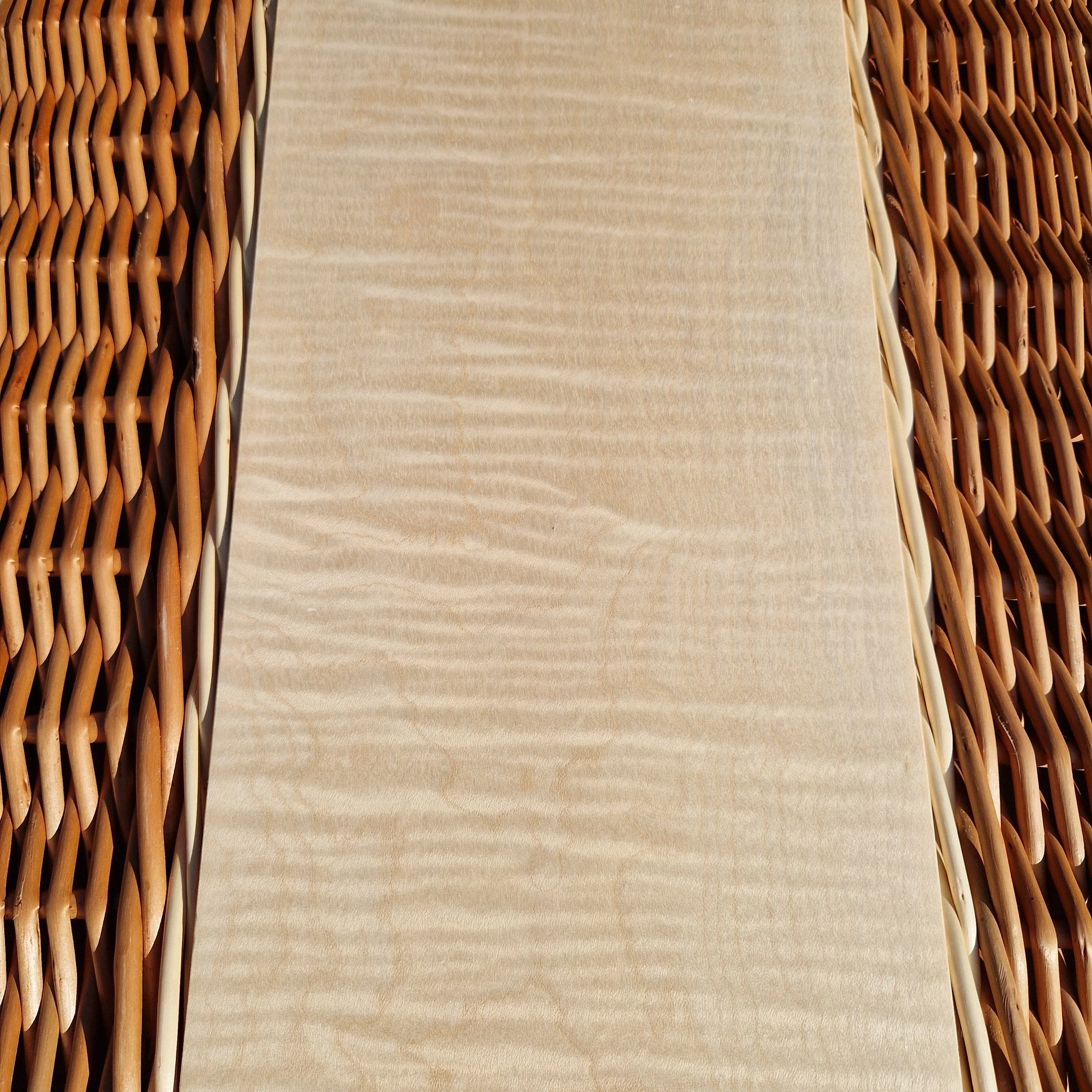
All the coffins are made using willow from Somerset, Douglas Fir from Wales, hazel from our own organic nut orchards, and other UK-sourced materials, and each one is lovingly handcrafted in our workshop here on the farm.
Caz wants to create a more personal and connected experience for everyone who orders a coffin from her. As such, she always invites individuals and families to come and help weave a part of the coffin, if they would like to. In this way, people are brought closer both to the funeral process and to the person who has died. It is her own way of bringing a sense of rewilding into deathcare.
For more information, please visit: www.wildheartcoffins.co.uk
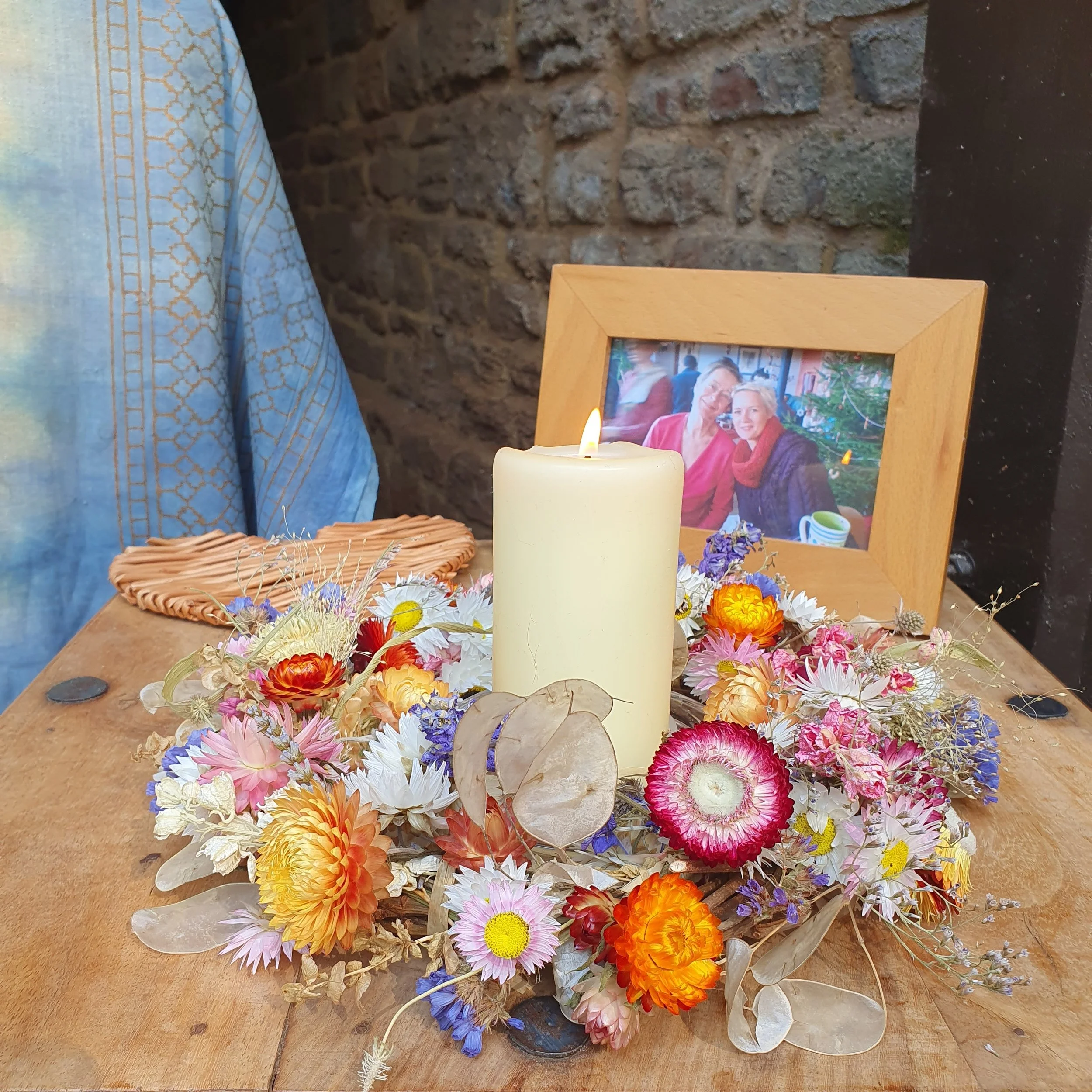
If we could ‘rewild’ deathcare, what might that look like?
To quote Katy and Lindsey Vigurs, from Dead Good: “Rewilding deathcare is about relationships. Relationships with the people we love. Relationships with our communities. Relationships with the living world. It’s [also] about nurturing more opportunities to participate rather than simply consume.”
Rewilding is more than about what can be encouraged and facilitated outside, in nature. It is also about what can happen in our communities, our workspaces, and even inside ourselves. Each of these spaces and places is an ecosystem - somewhere that is governed by both external and internal influences. They are dynamic, fluid, subject to change, and are often in the process of seeking equilibrium.
Once upon a time, we would have all known how to take care of someone after they had died. We knew this because we had guides within our communities who could teach us, and when we all lived closer to nature, we also lived closer to death. Death, after all, is simply one more turn on the ever revolving wheel of life. These days, however, much of what happens after someone dies is taken out of our hands. Up until recently, (mostly) well-meaning funeral directors organised, planned and arranged funerals for us, taking the ‘weight’ of having to tend to these matters off of us. Whilst the majority of funerals still unfold in this way, a more unsettling trend in recent times is that of ‘direct cremations’, where the body of the person who has died is taken from their place of death and cremated with no-one in attendance. At its most removed, there is no funeral, and therefore no gathering of family or community to mourn together, support each other, and communally bear witness to this passing of a life.
Rewilding deathcare is about reclaiming much of what has been taken away from us - what we have been disempowered of - and supporting people to be more involved with the processes surrounding death and dying. It is about remembering what we all once knew - in our blood and bones - and in that re-membering, we are brought back into closer relationship with all life, including ourselves and those who have gone before.